At a glance
Insights & strategy
Key takeaways
AI route optimization evaluates capacity, windows, travel times and priorities together, not just shortest distance.
Value is strongest where multi-stop complexity makes manual planning expensive; measure completed service and real costs.
Clean data, clear objectives, dispatcher overrides and driver adoption determine whether proposed efficiencies are realised.
Introduction
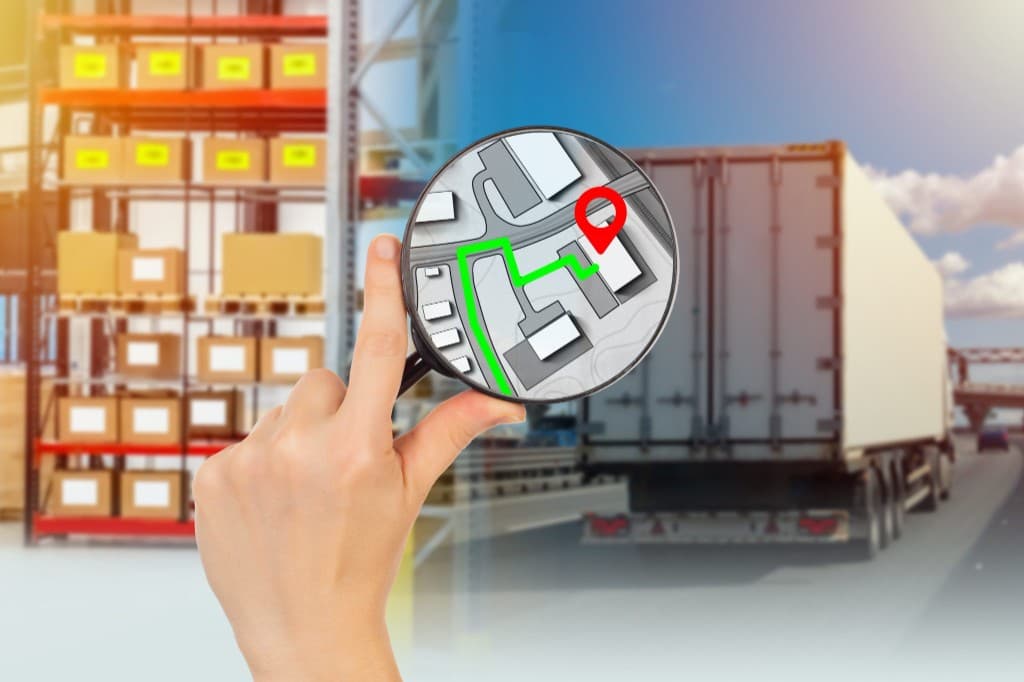
Every unnecessary kilometre affects fuel costs, driver hours and service reliability. Yet route planning is rarely as simple as choosing the shortest distance between two points. A vehicle may have limited capacity, a customer may accept deliveries only before noon and a motorway closure may change the best sequence halfway through the day. AI route optimization helps fleet managers evaluate those constraints together rather than correcting plans manually after dispatch.
For logistics businesses operating in the Netherlands and across Europe, the real opportunity is not a perfect-looking map. It is a plan that drivers can execute, dispatchers can adjust and customers can trust.
What is AI route optimization?
AI route optimization uses data-driven algorithms to propose efficient vehicle assignments, stop sequences and departure times. Traditional route planners often rely on fixed rules or simple distance calculations. Advanced systems combine operations research techniques with predictive models for travel time, demand and disruption. Machine learning may improve estimates, while optimisation engines calculate feasible routes within specified business rules.
That distinction matters: not every product described as AI-powered relies on generative AI and a large language model should not be trusted to calculate a safe, legally compliant route by itself. Good vehicle routing software must make its constraints understandable and allow a dispatcher to override recommendations.
The inputs that determine a workable route
Traffic and travel times. Historical congestion patterns, real-time incidents and expected loading delays help predict when a vehicle will actually arrive. A route that is shortest in kilometres can still be slower at peak hours.
Vehicle capacity. Weight, volume, pallet spaces, temperature zones and hazardous-goods restrictions can prevent a mathematically attractive but impossible load plan. Multi-compartment fleets add further complexity.
Customer delivery windows. Appointment slots, site opening hours, unloading durations and service commitments dictate the order of visits. A late arrival may cost more than a few extra kilometres.
Driver and vehicle availability. Shift times, required breaks, equipment suitability and maintenance status determine which resources can serve a particular route. For international operations, the planner should account for the applicable driving and rest rules.
Weather and network risk. Heavy rain, snow, high winds or port disruption can affect ETAs and safe operating decisions. Weather should inform the plan without encouraging unsafe shortcuts.
Business priorities. Some companies minimise distance; others prioritise on-time delivery, vehicle utilisation or fewer subcontracted loads. The objective must be explicit or the system may optimise the wrong outcome.
How the optimisation process works
First, a logistics team imports orders, pickup locations, delivery addresses, operating constraints and available capacity. Next, the system validates missing or inconsistent data. It then generates candidate schedules, evaluates their feasibility and selects a plan against the chosen objectives. A planner reviews exceptions before releasing routes to drivers.
Once vehicles depart, GPS events, proof-of-delivery updates and traffic information can trigger replanning. For example, if a truck is delayed near Rotterdam, the system may recommend changing two remaining stops or reallocating a collection to another driver. The dispatcher should see the estimated consequences, not just a mysterious “better route” suggestion.
When does route planning AI pay off?
The business case is strongest when operations have enough complexity for manual planning to become expensive: multiple vehicles, frequent stop changes, tight delivery windows or repeated empty running. Savings may come from reduced distance, lower overtime, fewer failed deliveries, improved asset utilisation and less time spent scheduling.
Consider an illustrative regional distribution operation with 20 vans. If improved routing removes 12 kilometres per van per working day, that is 240 kilometres daily. Across 220 working days, the reduction reaches 52,800 kilometres annually. The financial benefit depends on actual cost per kilometre and should be compared with software, integration and change-management costs. This example demonstrates a calculation, not a guaranteed result.
A smaller operator with stable full-truckload lanes may gain less from advanced stop-sequence optimisation than a distributor managing dozens of daily deliveries. Assess process complexity before purchasing features.
Metrics to measure before and after adoption
Track kilometres per completed stop, on-time delivery percentage, cost per delivery, vehicle fill rate, driver overtime, failed first attempts and dispatcher planning hours. Compare like-for-like routes and account for seasonality, order mix and fuel-price changes. A pilot should record the baseline for several weeks before introducing new plans.
Avoid measuring only theoretical savings generated on screen. Actual vehicle telemetry, completed deliveries and invoice-level costs reveal whether proposed efficiencies were realised. If operational teams repeatedly reject recommendations, investigate data quality or unrealistic constraints instead of blaming users.
Implementation challenges fleet managers should expect
Poor addresses, outdated service times and incomplete load dimensions undermine route quality. Integrations may also be difficult when orders sit in an ERP, driver locations in a telematics platform and delivery milestones in a separate TMS. Define which system owns each record, when updates synchronise and how failures are reported.
Driver adoption is equally important. Explain why routes change, allow practical feedback about loading access and keep a clear process for genuine on-road exceptions. Optimisation should support professional judgement, especially where road safety and customer relationships are involved.
How Velqora fits into the wider workflow
Route decisions become more useful when planners can connect them to shipment status, fleet information, warehouse readiness and weather risk. Velqora positions itself as an integrated logistics workspace covering these operational areas.
Teams evaluating a platform should request a demonstration using their actual stops, vehicles, constraints and existing integrations and confirm which optimisation capabilities are available in the proposed configuration.
Frequently asked questions
Is AI routing the same as GPS navigation? No. Navigation guides one driver along a journey. Route optimisation decides how deliveries, vehicles and time windows should be organised across an operation.
Can route optimisation eliminate delays? No. It can identify risk and suggest alternatives, but road incidents, loading problems and changing customer requirements still require decisions.
How quickly can ROI be measured? A controlled pilot can reveal directional improvements within weeks, but robust financial conclusions need a representative operational period and verified cost data.
Final takeaway
AI route optimization is worthwhile when it converts complex planning choices into executable, measurable decisions. Start with clean data and a defined objective, test against real delivery constraints and judge success by completed service and actual operating costs—not a colourful route map alone.
Explore Velqora’s connected logistics workspace and request a guided demo with your real workflows.