At a glance
Insights & strategy
Key takeaways
Real time shipment tracking software should tell teams what happened, what may happen next and who needs to act.
Milestones, data freshness and exception ownership matter more than a constantly moving map.
Prioritise trustworthy data, controlled sharing and workflows that protect customer commitments.
Introduction
A moving dot on a map is not the same as knowing whether a delivery will arrive as promised. Dispatchers need to understand milestone progress, customer service needs reliable answers and warehouse teams need to prepare resources before a truck arrives. Real time shipment tracking software is valuable when it turns location signals and operational events into useful decisions.
For 3PL providers and transport operators, this requires more than GPS. A strong shipment visibility platform should bring together carrier updates, planned schedules, actual milestones and exception workflows—and make the resulting information trustworthy.
What does real-time shipment tracking mean?
Real-time tracking is the continuous or frequent updating of a shipment's location and status. The information may come from vehicle telematics, driver applications, carrier APIs, warehouse scans, port or terminal events and manual confirmations. Update frequency varies by source; a shipment may have a recent GPS point but an unconfirmed delivery milestone.
Tracking systems should distinguish the timestamp of the event from the time the system received it. If a carrier sends a scan two hours late, displaying it as a current observation can mislead planners. Data freshness and source confidence belong beside the shipment status.
The five capabilities that matter most
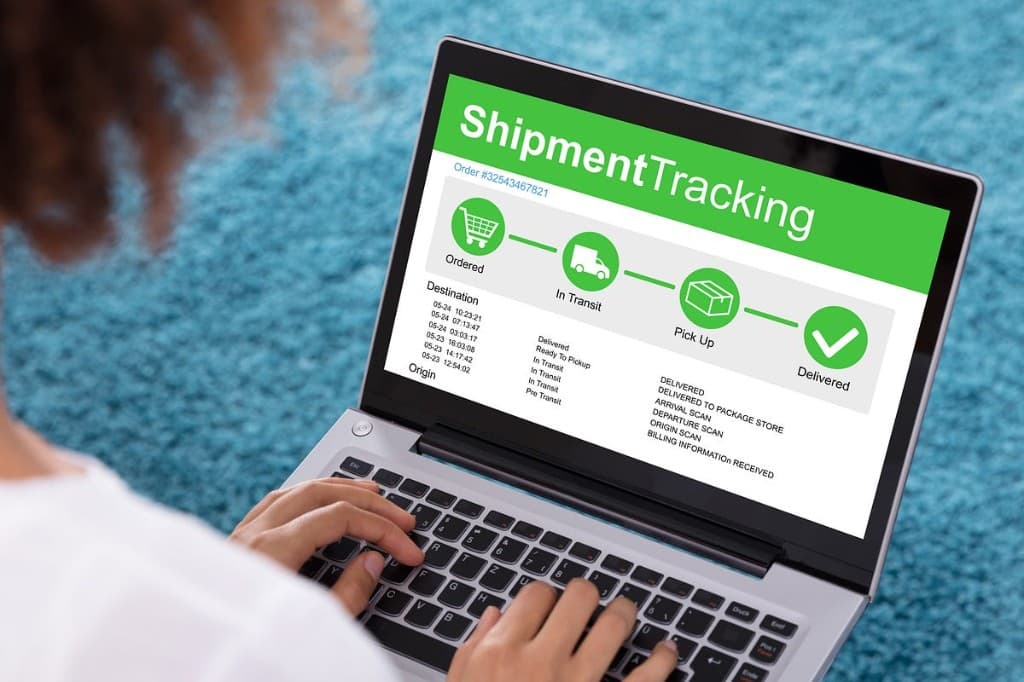
Milestone visibility. Common milestones include booked, collected, departed, arrived at hub, out for delivery and delivered. Define them consistently so different carriers and teams use the same language.
Accurate ETA handling. Estimated arrival times should take account of route progress, historical travel times and operational delays where such inputs are available. Communicate uncertainty rather than presenting a single estimate as certainty.
Exception alerts. The system should flag missed scans, long dwell periods, unexpected route deviations and likely appointment failures. Alerts need priorities, owners and next steps—not just red badges.
Customer and partner access. Self-service views can reduce repetitive “where is my shipment?” requests. Customer users must see only their own orders, while subcontractors should receive the minimum information necessary to fulfil their role.
Proof of delivery and history. Signed documents, delivery timestamps, photos where appropriate and a complete event timeline support dispute resolution and billing. Keep correction history when an event is amended.
Why milestones are more useful than continuous GPS alone
GPS answers where a vehicle appears to be. It may not reveal whether the correct goods were loaded, whether a delivery was accepted or why a truck is stationary. A warehouse departure scan, confirmed trailer assignment and customer appointment together create a stronger picture than position alone.
For groupage or multimodal movements, the shipment may change vehicles or carriers. Visibility should stay attached to the consignment rather than ending when one truck's tracking session stops. Where carrier connectivity is imperfect, the platform must clearly mark gaps instead of silently presenting old data.
Designing proactive customer notifications
Notifications should be tied to meaningful events: collection confirmed, ETA materially changed, delivery scheduled or proof of delivery available. Let customers choose appropriate channels and preferences and avoid overwhelming them with internal milestones.
For uncertain events, wording matters. “Delivery is expected later than planned” is safer than a guaranteed new arrival time based on weak telemetry. Internal teams may require approval before issuing service commitments or sensitive information. A transparent communication process builds trust even when a delivery goes wrong.
A practical exception workflow
Imagine a shipment travelling from Eindhoven to a customer in Belgium. The original plan indicates an afternoon delivery slot. A delay at the loading site pushes departure back and the predicted ETA now falls outside the appointment window.
A useful system links the delayed loading event to the affected shipment, escalates the risk to the responsible planner and shows potential actions. The planner can contact the consignee, request a revised appointment or coordinate with the carrier. Customer service sees the same confirmed status and avoids giving a contradictory explanation.
Integrations needed for reliable tracking
At minimum, assess TMS or order-system integration, carrier status feeds, telematics or driver-app connectivity and warehouse event exchange. If several systems use different shipment identifiers, define a reliable matching process. Duplicate events, offline drivers and delayed API responses are normal operational conditions, so test them explicitly.
Ask vendors how they handle manual corrections, data outages and historical reprocessing. An audit trail should preserve which source supplied each event and who changed it. Transport tracking becomes far less useful when nobody can explain why the displayed status changed.
Security and access control
Location data can reveal sensitive customer operations and, in some situations, identifiable driver activity. Apply least-privilege access, restrict sharing links, set appropriate retention policies and evaluate GDPR obligations. Customer portals should not expose rates, internal comments or other customers' loads simply because records share a carrier.
For cross-border activity, verify whether the platform supports relevant languages, time zones and international event conventions. A timestamp that is correct in one country but misread in another can cause operational errors.
KPIs that show whether visibility is working
Measure the percentage of shipments with recent confirmed updates, milestone completeness, ETA error, time from exception detection to action, customer status enquiries and on-time delivery performance. Monitor coverage by carrier and lane because overall averages can hide persistent blind spots.
A realistic pilot includes normal deliveries, delayed pickups, missing scans and carrier handovers. Track whether staff can identify which shipments need attention and explain their current state without switching between multiple tools.
How Velqora relates to shipment visibility
Velqora presents shipment tracking, live milestones, fleet connectivity, weather risk and exception monitoring within a connected logistics workspace. This integrated approach can help link tracking events to warehouse preparation and operational decisions. During evaluation, confirm the exact tracking sources supported and request a live walkthrough of a delayed shipment, not only an on-time example.
Frequently asked questions
Does tracking require GPS on every vehicle? No. Carrier events, driver apps and warehouse scans can provide visibility, although location precision and update frequency may differ.
Is real time always instant? No. Refresh rates depend on devices, networks and external data providers. Clear timestamps are essential.
What is the most valuable tracking feature? For many operations, actionable exception alerts and reliable milestones create more value than a constantly moving map.
Final takeaway
Real time shipment tracking software should tell teams what happened, what may happen next and who needs to act. Prioritise trustworthy data, clear milestones, controlled sharing and exception workflows that protect customer commitments.
Explore Velqora’s connected logistics workspace and request a guided demo with your real workflows.