At a glance
Insights & strategy
Key takeaways
Effective supply chain visibility is built on shared meaning, connected records and accountable decisions.
A control tower is useful only when identifiers, event definitions and systems of record are agreed.
Start with the questions people struggle to answer, then expand the view when it supports clearer action.
Introduction
Supply chain teams can have dozens of dashboards and still disagree about the status of a single order. The warehouse sees stock as available, the transport planner has not received a loading confirmation and finance is already preparing a customer invoice. End to end supply chain visibility aims to connect these separate views so decisions are based on consistent, timely information.
The goal is not to create one enormous database that replaces every specialist application. It is to establish dependable relationships between business objects, define who owns each fact and present a shared operational picture that people can trust.
What is supply chain visibility?
Supply chain visibility is the ability to follow goods, inventory, capacity and relevant operational events across the processes involved in fulfilment. It includes knowing what was ordered, what is available, what has moved, where a shipment is delayed and what financial consequences may follow.
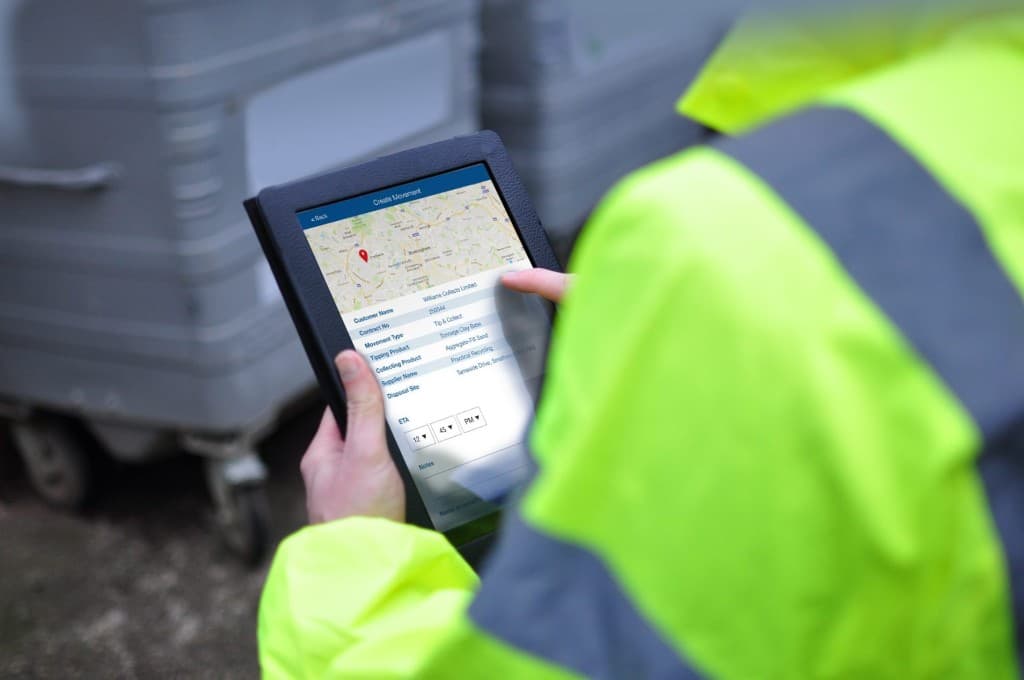
Supply chain visibility software usually integrates information from ERP, WMS, TMS, fleet platforms and external partners. A control tower may provide the central dashboard, but true visibility depends on the quality and meaning of the underlying data—not just visual presentation.
Why disconnected records create problems
Consider an order with three product lines. The ERP shows it as released, while the warehouse has short-picked one item. Dispatch has booked a vehicle assuming all three lines are ready. If those systems exchange only occasional batch files, the transport team may discover the mismatch after the driver arrives.
Disconnected data also produces duplicate customer updates, billing disputes and inaccurate performance reporting. Staff compensate by creating private spreadsheets, which introduces yet another version of the truth. The solution begins with mapping the full workflow and deciding which event proves each status.
Define the core records and identifiers
Create a common relationship between customer order, product, inventory location, shipment, vehicle movement, delivery milestone and invoice. Each record needs a stable identifier and a documented link to related objects. For example, one customer order may produce several shipments, while one transport movement may carry multiple orders.
A common mistake is assuming that two systems' “delivered” statuses mean the same thing. One may mean the driver arrived; another may mean the consignee signed; a third may simply mean a carrier closed the job. Publish an event dictionary that defines each status, its source and how corrections work.
Connect warehouse, transport, fleet and finance
Warehouse data answers whether items are actually received, reserved, picked and ready for dispatch. It also reveals location-level stock variances and capacity constraints.
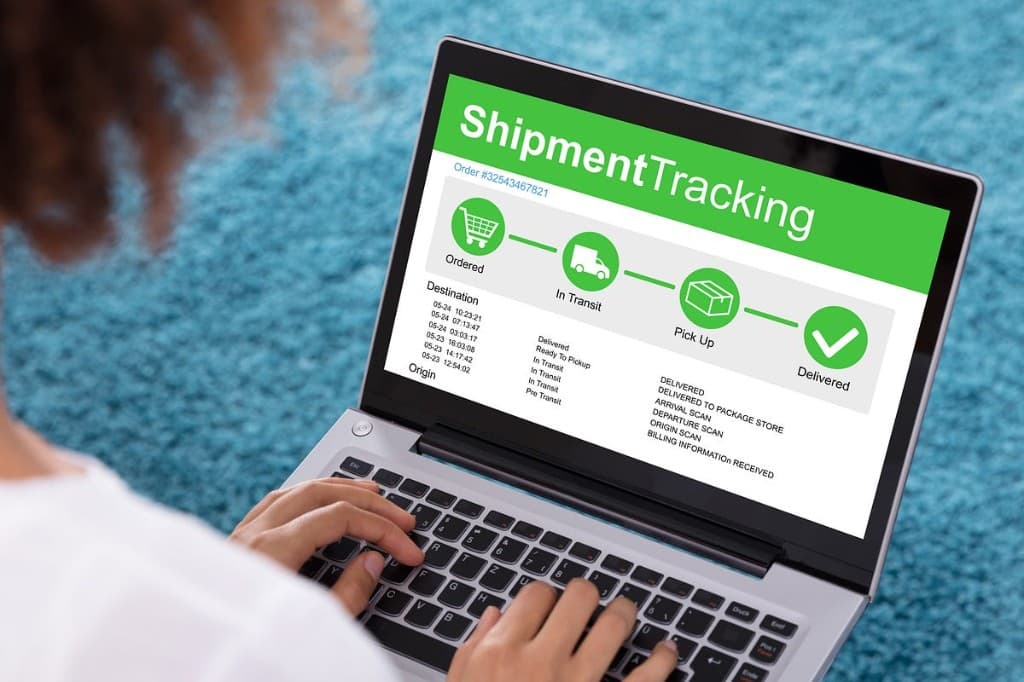
Transport data shows shipment creation, planned movements, subcontractor assignments, current milestones and delivery confirmations.
Fleet information adds vehicle availability, location, capacity and service constraints where relevant. It should be linked to movement records without confusing an asset's location with proof that a shipment is complete.
Finance data connects the operation to quotes, approved charges, invoices and payment status. Linking billed services to actual shipments reduces reconciliation effort and reveals the impact of rework or delays.
Build a trusted data flow in stages
Start by choosing the most valuable cross-functional questions: Which orders are at risk today? Which outbound loads are not ready? Which delivered shipments still lack proof of delivery? Answering these questions reveals the minimum information the platform must connect.
Next, assign a system of record for each field. Warehouse stock may originate in the WMS, commercial orders in the ERP and actual vehicle positions in telematics. An integration layer normalises incoming updates and retains source timestamps. The shared view should not overwrite authoritative data silently.
Then establish validation rules for missing identifiers, impossible sequences and conflicting updates. Record integration failures visibly. Finally, make the unified information useful through prioritised dashboards, search, alerts and role-specific workflows.
Designing a supply chain control tower view
Different teams need different decisions from the same underlying records. A dispatcher might need shipments missing milestones; a warehouse manager might need outbound loads affected by short picks; finance might need delivered jobs lacking billing evidence. A leadership view can aggregate service, inventory and cost performance.
Avoid building one dashboard with every metric on it. Start with shared definitions and drill-down paths. When a KPI turns red, users should be able to open the affected records, see supporting events and assign an action. Visibility without a response process creates awareness but not improvement.
Metrics for measuring information quality
Track the percentage of records with complete identifiers, data freshness by integration, milestone coverage, inventory accuracy, exception resolution time and order-to-invoice cycle time. Also monitor how often employees manually correct or reconcile records across applications.
Before-and-after comparisons must account for changes in order volume and operating mix. Fewer manual status emails may indicate success, but only if service accuracy and customer confidence remain strong. Combine efficiency metrics with operational outcomes.
Governance and security considerations
A single source of truth should not become a single source of uncontrolled access. Apply role-based permissions, customer-level data separation, encryption and audit trails. Personal information about drivers and contacts requires a lawful basis and suitable protections under applicable privacy rules, including GDPR where relevant.
Define retention, deletion, incident-response and export procedures. External partner access needs explicit boundaries; a carrier may need pickup details without seeing your entire customer portfolio or profit margins.
How Velqora approaches connected operations
Velqora positions its platform as a shared workspace for shipments, warehouses, fleet, inventory, finance and planning, with integrations and AI-related monitoring. This is the kind of cross-functional approach that supports a unified operational view. Buyers should verify how their existing systems connect and which application remains authoritative for each record.
Frequently asked questions
Does a single source of truth require replacing the ERP? No. Often the practical approach is to integrate authoritative systems and standardise the information presented across teams.
Is a dashboard enough to create visibility? No. Reliable event definitions, ownership, data quality and exception workflows are essential.
Where should a project begin? Choose one high-value workflow, such as order-to-delivery and map its identifiers and status transitions before scaling.
Final takeaway
Effective supply chain visibility is built on shared meaning, connected records and accountable decisions. Start with the questions people struggle to answer, establish trusted data sources and expand the view only when it supports clearer action.
Explore Velqora’s connected logistics workspace and request a guided demo with your real workflows.